


A playground session can turn into a hat negotiation in about three seconds. One minute your toddler is happily building a sandcastle, the next their hat is in the sandpit and they are sprinting for the slide. Still, knowing when should toddlers wear hats makes the daily back-and-forth worth it. The right hat is a simple, wearable layer of protection for little people who spend plenty of time outdoors - and it can look very cool, too.
For Australian families, hats are not only a summer holiday essential. UV levels can be high well beyond the hottest months, including on bright-but-cool mornings and cloudy days. A well-fitting hat should become part of the leaving-the-house rhythm, right alongside shoes, water and snacks.
When should toddlers wear hats outdoors?
Toddlers should wear a sun-safe hat whenever they are outside during the day, particularly when there is little shade. Think park playdates, beach mornings, kinder drop-off, backyard water play, weekend sport, walks to the café and those long family days spent outdoors.
The need is not always obvious when the weather feels mild. Sunburn is driven by UV exposure, not simply temperature, so a breezy spring day can still call for sun protection. Check the daily UV forecast if you can, but make hats the default for outdoor play rather than something saved for obvious scorchers.
A hat matters most when your toddler is likely to be outside for more than a quick dash from the car to the front door. If they are riding a scooter, sitting in the pram, helping in the garden or spending an hour at the playground, pop one on before you go. Shade, protective clothing and sunscreen work alongside a hat - no single measure does all the work.
The outdoor moments that catch parents out
Some of the biggest exposure windows happen during ordinary routines. The walk from the car park to swimming lessons, a Saturday morning market, lunch at an outdoor table or a visit to the grandparents can all involve more sun than expected. Toddlers are busy little people. They rarely choose the shady spot and stay there.
Pram walks deserve a mention, too. A toddler sitting still may be less likely to complain about glare, but they are still exposed. Use the pram canopy for shade where appropriate, keep airflow moving and avoid covering the pram with blankets or fabrics that can trap heat. A lightweight hat is a helpful extra layer when they are awake and supervised.
Choose the hat for the day, not just the outfit
The best toddler hat is one they will actually keep on. That usually means it feels comfortable, fits securely and suits the activity. A broad-brim or bucket hat offers more all-round coverage for the face, ears and neck than a standard cap, making it a strong choice for long outdoor days, beach trips and playground adventures.
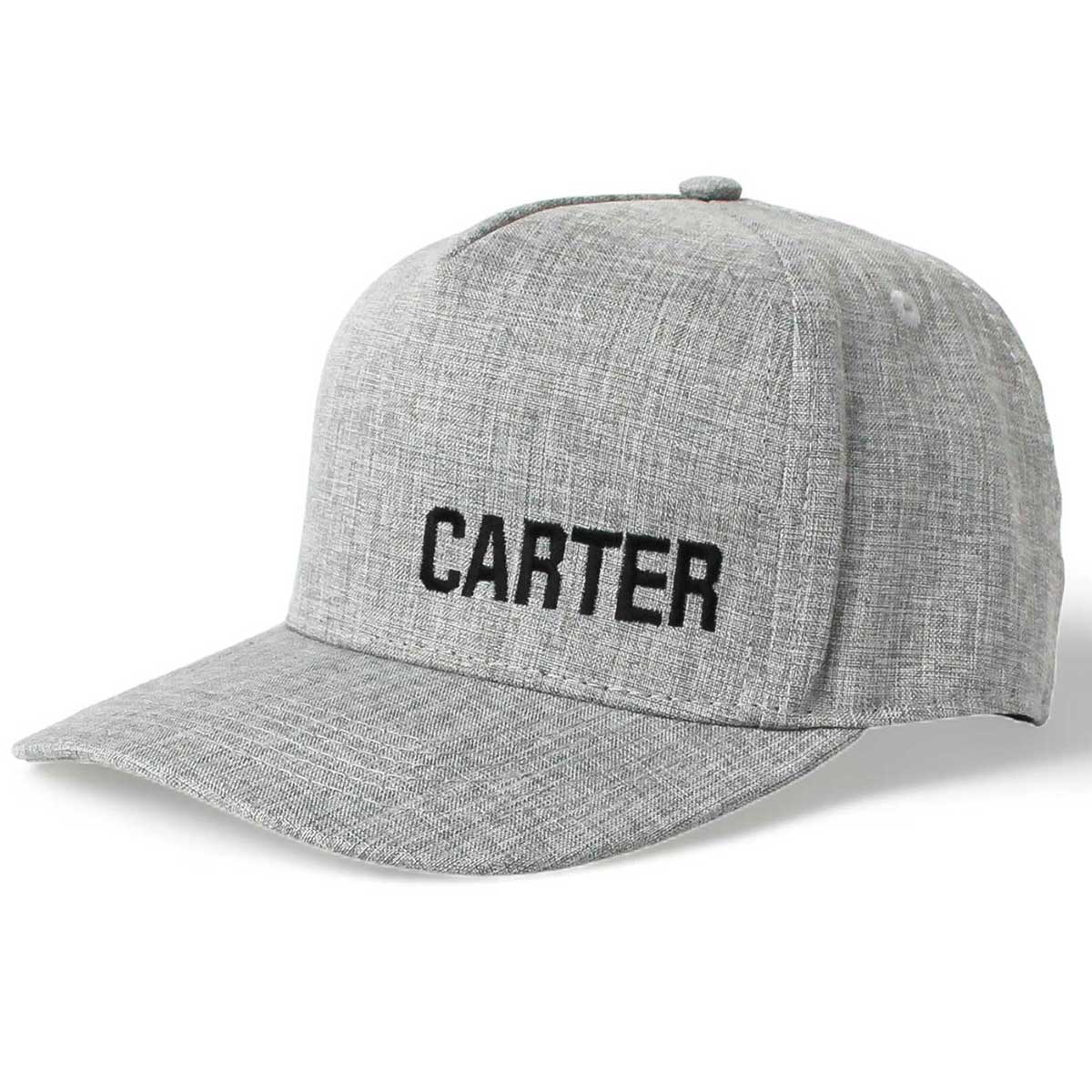
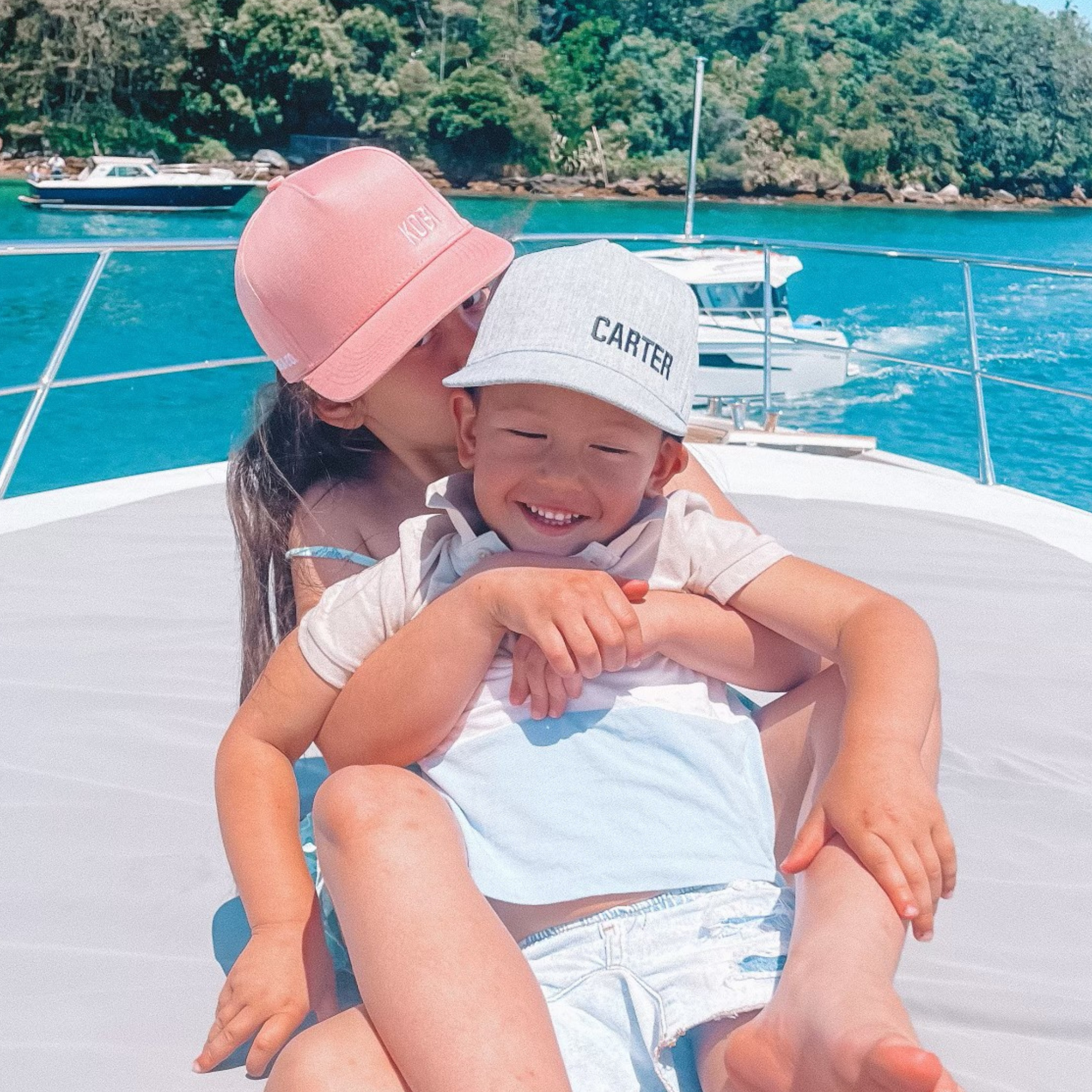
Caps have their place, especially for toddlers who love the sporty look or want to match Mum, Dad or an older sibling. They can shade the face and eyes, but leave ears and the back of the neck more exposed. For strong sun or lengthy outdoor play, pair a cap with other sun-smart choices such as shade, covered shoulders and sunscreen, or choose a wider-brimmed style instead.
A brim should be firm enough to provide shade without dropping into your toddler's eyes every time they look down. Soft, breathable fabrics are especially handy in warm weather, while a comfortable inner band helps prevent rubbing. Adjustable sizing is a win because toddler heads grow quickly and a too-tight hat will not last long in the daily rotation.
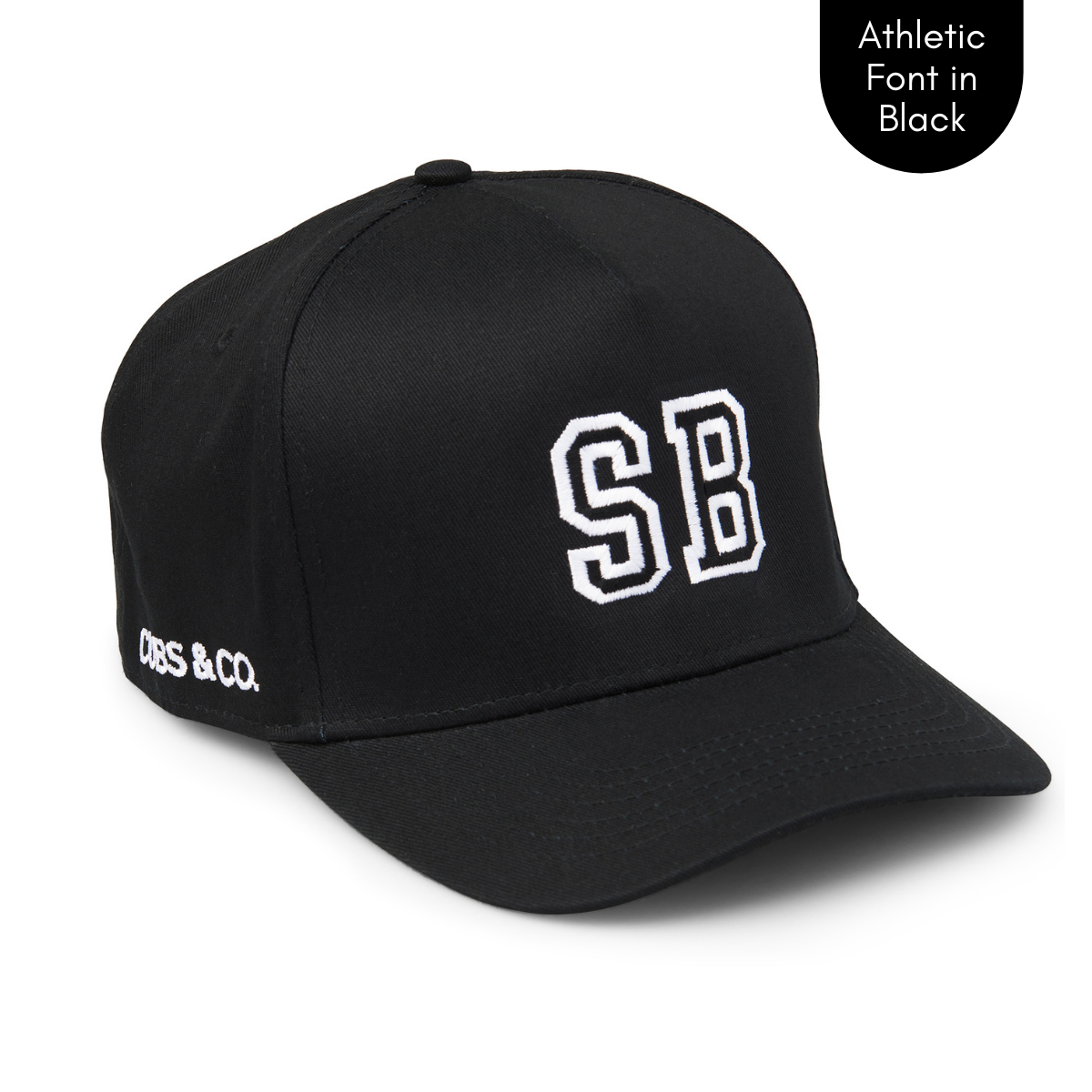
Personalising a hat can also make a surprising difference. When it has their name or initials on it, some toddlers feel like it is properly theirs rather than just another thing a grown-up insists on. Matching family styles can help too. If everyone is putting on a hat before heading out, your toddler is far more likely to join the club.
Hats in summer, winter and every awkward in-between day
Summer is the easy one. Reach for a lightweight bucket hat, wide-brim style or sun visor for beach days, backyard play and holidays. Keep an extra hat in the nappy bag, car or daycare bag, because wet, sandy and mysteriously misplaced hats are part of family life.
On very hot days, a hat should add protection without adding overheating. Choose breathable materials, offer regular water and take breaks in the shade. If your toddler is flushed, unusually tired, cranky or sweaty, it may be time to move indoors or cool down. A hat is helpful, but it is not a reason to push through the hottest part of the day.
In winter, a beanie can be a cosy go-to for chilly morning walks, outdoor sport and pram trips. It is about warmth rather than UV coverage, so you may still need a sun hat later in the day if the sun comes out. A beanie that is snug but not restrictive will stay put better than one constantly sliding over their eyes.
Autumn and spring are where families often get caught out. The morning can feel cool enough for a jumper, then turn bright and warm by late morning. A light hat packed in your bag gives you options without overthinking it. For the big and little people in your life, having a few easy styles ready makes the routine much simpler.
Fit matters more than forcing it
A toddler hat should sit comfortably above the eyebrows and feel secure without leaving deep marks on the forehead. If it spins around easily, blows off with every gust or slips over their eyes, it is not the right fit. Too-small hats can cause discomfort and make your child reject hats altogether.
For active play, a chin strap or adjustable feature can be useful, provided it is used as designed and your child is supervised. Avoid complicated, scratchy details that turn every outing into a battle. Comfort is not a bonus - it is what makes sun protection realistic.
It is also worth checking that the style works with how your toddler moves. A very wide brim can be brilliant at the beach, but some children find it awkward on climbing equipment or when strapped into a pram. There is no need for one hat to do every job. A bucket hat for big outdoor days, a cap for casual outings and a beanie for cold weather can be a practical little rotation.
Build the habit before the resistance starts
The easiest way to get toddlers wearing hats is to make it boringly normal. Put yours on first, hand them theirs and head out. Try not to introduce it as a big debate or a special punishment for sunny weather. It is simply what the family does before leaving the house.
Give your toddler a choice between two parent-approved options: the neutral bucket hat or the personalised cap, the sand colour or the soft pink. They get some control, while you still know the hat fits and suits the day. Praise can help, but so can keeping the moment moving. The more attention a hat battle gets, the more tempting it becomes.
If they pull it off, calmly put it back on when needed and move to shade if they will not wear it. Consistency is more effective than turning every park visit into a standoff. Most toddlers come around once wearing a hat becomes part of the familiar out-the-door routine.
When toddlers should not wear hats
Hats are for awake, supervised time. Remove them for naps, bedtime and unsupervised sleep, including when your toddler has dozed off in the pram or car. Warm beanies should also come off once you are indoors or in a heated car, as little ones can warm up quickly.
Take a hat off if it is wet, uncomfortably hot, causing irritation or blocking your toddler's vision. And if the day is windy enough to make a loose hat frustrating, swap to a better-fitting option rather than constantly chasing it across the oval.
The goal is not perfection. It is giving your toddler an easy, comfortable habit that protects them through the everyday adventures they will remember - sandy feet, snack breaks, playground laps and all.