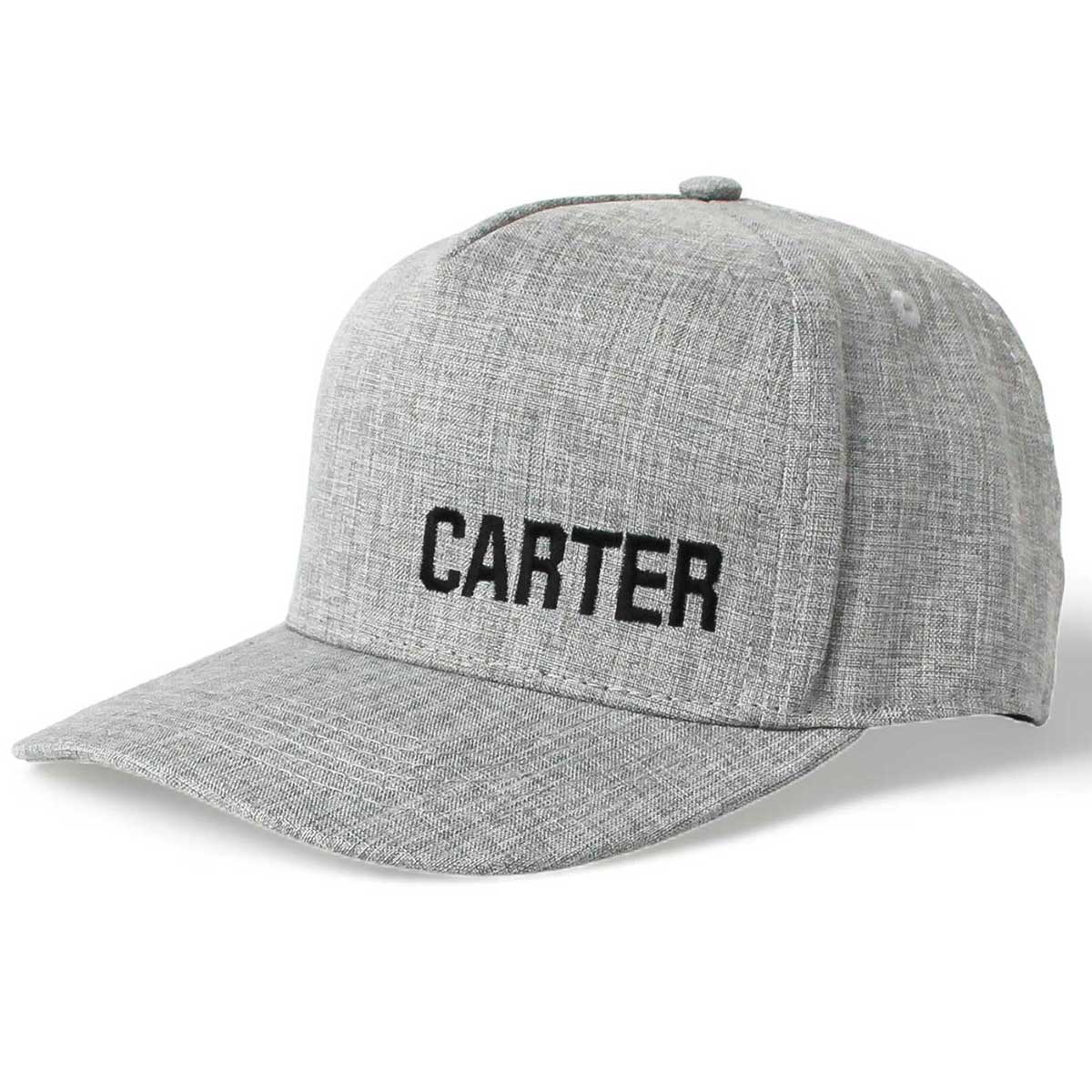
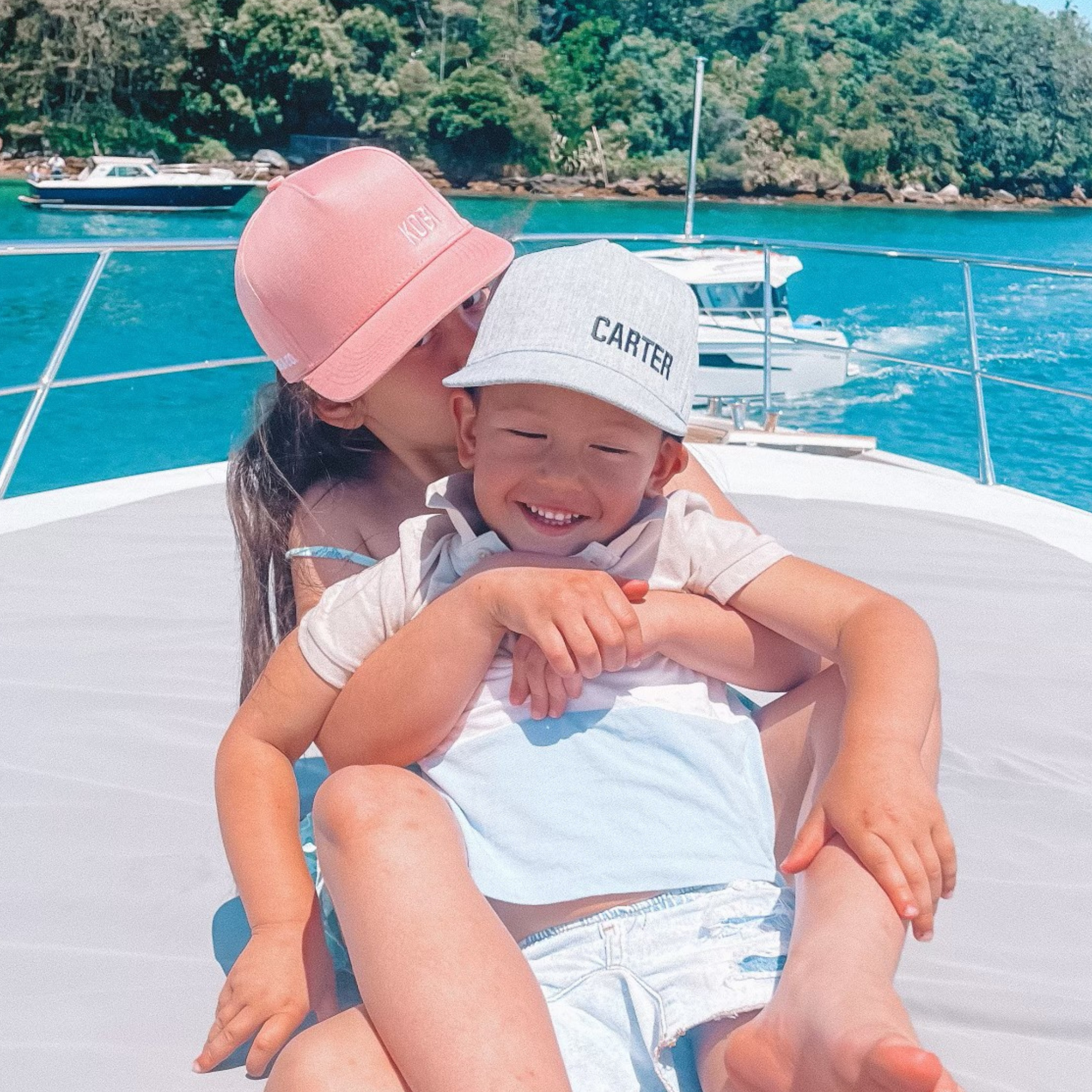
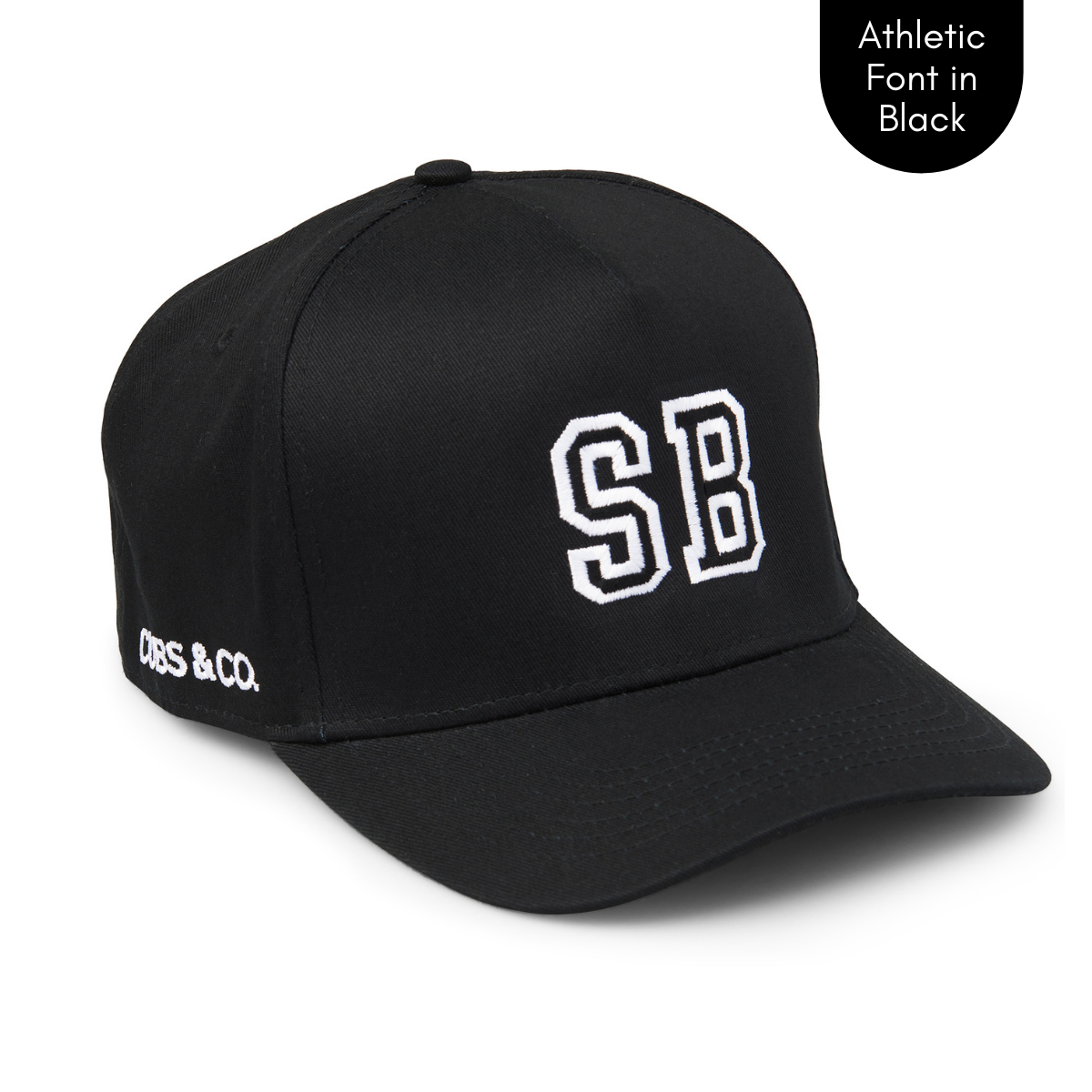



That tiny cap might look adorable in the product photos, but it needs to stay put through playground laps, pram naps and windy beach walks too. If you’re wondering what size cap for toddler, the best answer is their head circumference - not just the age on the label. A quick measure takes less than a minute and makes choosing a personalised cap far less of a gamble.
Toddlers grow at wildly different rates, and headwear sizing can vary between brands and cap styles. A two-year-old with a full head of curls may need a different fit from a three-year-old with finer hair. Start with the measurement, then use the cap’s adjustability and your child’s comfort as the final deciding factors.
What size cap for toddler usually means
Most toddler caps are designed for head circumferences around 48-52 cm. That often suits children roughly aged one to three years, but it is only a general guide. Some little people will be ready for this range earlier, while others may need a larger kids’ size sooner.
As a broad reference, a baby cap may fit around 44-48 cm, toddler sizing often sits around 48-52 cm, and a kids’ cap commonly begins around 52 cm. These ranges overlap for a reason: age is useful for a starting point, but it is not a precise sizing tool.
If your toddler measures 50 cm, look for a cap that covers that measurement comfortably, ideally with room to adjust. If they sit right at the top of a size range, choosing the next size up with an adjustable back is usually the smarter move. A cap that is a touch roomy can be tightened. One that is already snug has nowhere to go.
How to measure your toddler’s head at home
You only need a soft measuring tape. Place it around the fullest part of your child’s head, sitting just above the eyebrows and ears, then around the widest point at the back of the head. Keep the tape level rather than letting it slope upwards at the back.
The tape should rest against the head without squeezing. Read the measurement in centimetres and repeat it once, especially if your little one is wriggly. If you get two slightly different numbers, use the larger measurement.
No soft tape measure in the drawer? Use a piece of string, shoelace or ribbon. Wrap it in the same position, mark where the ends meet, then lay it flat against a ruler. It is a simple trick that works surprisingly well between snacks, shoes and the inevitable last-minute dash out the door.
Measure with their usual hairstyle in mind
A toddler’s everyday hair can affect fit more than you might expect. Thick curls, braids, a high ponytail or a little topknot can make a close-fitting cap feel much tighter. Measure with hair as they would normally wear it when the cap will be used.
For a cap with an adjustable snap closure, hair is usually easier to accommodate than with a fully fitted style. If your child often wears their hair up, consider whether the back closure sits comfortably below the ponytail, or whether a different hat shape will be more practical.
Why an adjustable cap is a toddler win
Toddlers are in a big-growth, big-feelings stage. An adjustable cap gives you flexibility through both. Snapback closures let you fine-tune the fit without leaving the cap too tight, while adjustable straps can be handy for little heads that sit between standard sizes.
A good fit should feel secure enough that the cap does not slip over their eyes when they look down or run ahead. At the same time, it should not leave a deep red mark around the forehead or cause them to pull it off straight away. Some toddlers simply need a few wears to get used to a cap, but consistent resistance can be a sign that the fit, fabric or shape is not right for them.
For growing kids, an adjustable cap can often last across more than one season. That makes it a practical pick for daycare days, holidays, weekend sport sidelines and matching family photos. Personalising it with a name or initials also helps prevent those all-too-common mix-ups at kinder.
Check the cap fit before the first big outing
Once the cap arrives, try it on at home before heading to the park or packing for a sunny holiday. Start by adjusting the back so it sits low and comfortably on the head, not perched on top like it is ready to fly off at the first gust.
The front should rest just above the eyebrows without pressing down on them. The crown should have a little breathing room, but not so much that it rotates easily when your toddler turns their head. Check that the back closure is lying flat and is not catching on hair or rubbing behind the ears.
A quick movement test tells you plenty. Ask your child to look up, look down, shake their head, run a few steps or do their favourite dance. If the cap stays in place and they forget they are wearing it, you are onto a winner.
Signs the cap is too small
A cap is likely too small if it leaves noticeable marks after only a short wear, feels difficult to fasten, rides high above the ears or pops off when your child moves. You may also see the front panel pulling awkwardly across the forehead.
Do not be tempted to force a small cap to work because your toddler is attached to the colour or matching family set. Pressure points can make a child dislike hats altogether, which is not ideal when sun protection is part of everyday Australian life.
Signs it is too big
A cap is too big when it slides down over the eyes, spins around easily, sits loosely at the back or falls off during normal play even after adjustment. A little extra room for growth is useful, but a cap should still be wearable right now.
If your child is between sizes, the right choice depends on the cap style. A structured, non-adjustable cap needs to fit closely from day one. An adjustable snapback has more room to grow, so sizing up can make sense as long as it tightens securely.
Cap, bucket hat or visor: choose for the day ahead
A cap is brilliant for keeping bright sun out of little eyes, especially on walks, at the footy, in the pram or while they are busy building sandcastles. The peak provides useful shade across the face, and the classic shape is often easier for toddlers to accept than a wider brim.
That said, a cap does not offer full coverage for ears and the back of the neck. For long stretches outdoors, particularly at the beach, on holiday or during the harsh middle of the day, a bucket hat with a wider brim may be the better sun-smart option. Sunscreen, shade and protective clothing still matter alongside any hat.
Visors can work well for older children who dislike a full crown, but they leave the top of the head exposed. Beanies are perfect for chilly mornings and winter adventures, yet they are not a substitute for sun protection. Having a few styles on hand means you can match the hat to the weather, the activity and the little personality wearing it.
A note on personalised toddler caps
Personalised headwear feels extra special when it still earns its place in the everyday rotation. A name, nickname or initials can turn a practical cap into the one your child reaches for before a family walk, and it makes a thoughtful birthday or new-baby gift too.
Keep the design easy to wear with the rest of their wardrobe. Neutral colours and clean embroidery tend to work from playground clothes to holiday outfits, while coordinated adult and kids’ caps make matching feel cool rather than costume-like. Cubs & Co. creates personalised pieces for the big and little people in your life, so the whole crew can find a fit that feels like them.
Before ordering a personalised cap, double-check the spelling and sizing details. Because custom pieces are made just for your child, taking that extra moment is worth it. If you are buying ahead for a birthday or Christmas, an adjustable style gives you more breathing room than a fixed-size cap.
When to measure again
Measure your toddler’s head again at the start of a new season, before a big trip, or whenever their current cap starts to sit differently. You do not need to measure every month, but a quick check every six months is sensible during the fast-growing toddler years.
The right cap should feel like part of the outfit, not a battle before the front door. Measure first, choose a comfy adjustable fit where possible, and let your little one pick a colour they are excited to wear. That is often the difference between a cap that stays in the nappy bag and one that happily comes along for every sunny adventure.