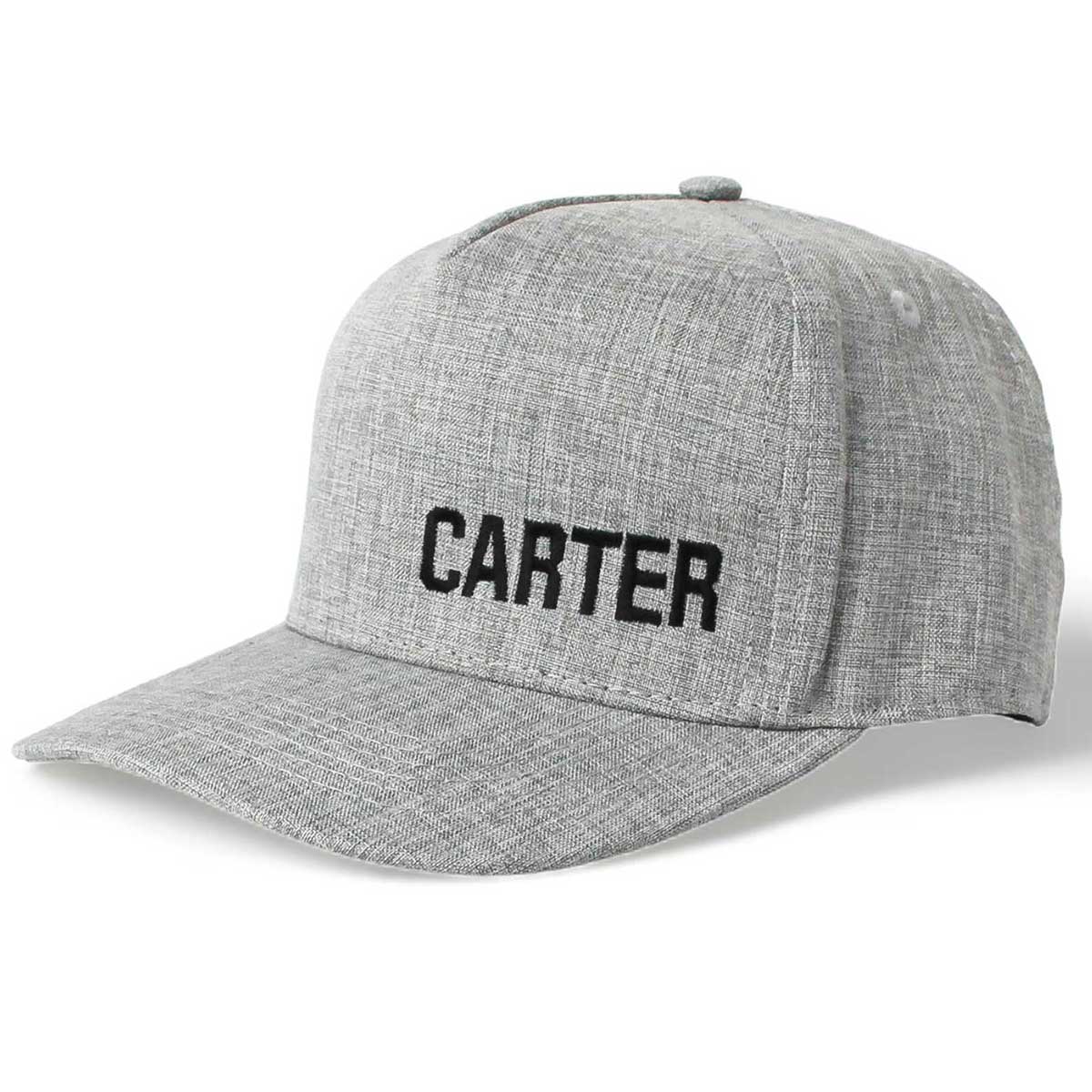




A tiny personalised snapback can make the family photo, but can babies wear snapbacks comfortably and safely? Usually, yes - for short, supervised outdoor wear when the cap fits properly and your baby is happy in it. The key is treating it as a practical sun-shade accessory, not an all-day extra or something they need to wear no matter what.
For big and little people who spend weekends at the park, by the beach or watching older siblings at sport, a cap can be a handy part of the going-out kit. But babies run warm, grow quickly and are very good at telling you when something feels wrong. Their comfort gets the final say.
Can babies wear snapbacks safely?
A snapback can be suitable for a baby once they have enough head and neck control to sit with the cap on comfortably, provided an adult is close by. There is no universal age where every baby is ready. A confident six-month-old and a smaller, more sensitive baby of the same age may have very different reactions to a hat.
Start with brief wears at home or in the shade. Pop the cap on for a few minutes while they are upright, calm and awake. If they leave it alone, seem comfortable and the fit stays secure without slipping over their eyes, that is a promising sign. If they pull at it, cry, get sweaty or the brim keeps dropping down, save it for another day.
Snapbacks should never be worn for sleep. Take hats off before naps, bedtime, car-seat naps and any time you cannot keep an eye on your baby. A cap that shifts can become uncomfortable or obscure their face, particularly when they are reclined. The same thinking applies in a pram: check regularly that your little one is cool, visible and able to breathe freely.
A hat is also only one piece of sun protection. It helps shade the face, but it does not replace a shady spot, light protective clothing, sunscreen used as appropriate for your child’s age, or planning outdoor time around the gentler parts of the day.
The fit matters more than the look
The cutest cap in the world is not the right cap if it is too tight, too loose or too heavy. Babies have soft, fast-growing heads, so a gentle fit matters. A well-fitting snapback should sit low enough to shade the forehead without pressing into it, while the adjustable back should be secure but never leave a deep mark.
You should be able to fit a finger comfortably between the cap and your baby’s head. The brim should sit clear of their eyes, and the cap should not twist around when they turn their head or look up at you. If it rides up, slips down or needs constant readjusting, it is likely the wrong size for now.
The adjustable closure is one reason parents like snapbacks. It gives you a little growing room and can help create a more tailored fit than a fixed-size cap. Still, adjustability has limits. Do not tighten a larger cap excessively in the hope it will last longer. A cap designed around your baby’s current head size will generally sit better and feel better.
Choose a lightweight, breathable style
On a warm Sydney day, fabric choice is a big deal. Look for a cap that feels light, has breathable panels or lining, and does not trap heat around the scalp. Soft inner construction is especially helpful for babies who are not used to wearing hats.
Avoid anything with hard, bulky details that could dig in when your baby leans against you, the pram seat or a high-chair back. Check the inside before each wear too. Loose threads, damaged fasteners or rough seams are small things that can make a hat instantly unpopular.
Colour can play a role as well. Neutral shades work beautifully with the rest of a little wardrobe, while lighter colours may feel more comfortable under strong sun. Dark caps can still look very cool, but they may absorb more heat, so keep outdoor sessions short and stay alert to how warm your baby feels.
When a snapback is a good choice
A baby snapback is at its best for upright, active moments: a stroll to the café, a family lunch outdoors, a first holiday, a picnic, or those five minutes when everyone finally agrees to a photo. It can offer useful face shade and bring a coordinated family outfit together without looking overly matchy-matchy.
For babies who are sitting, crawling or toddling around in a supervised shaded area, a cap may stay on well enough to be useful. For babies lying down, sleeping, spending long stretches in a carrier, or travelling in the car, leave it off. Comfort and safe positioning always come before the outfit.
There are also times when another hat shape may be the better call. A bucket hat with a wider brim offers more all-round coverage for a long beach morning or playground session. A soft beanie makes more sense on a chilly early walk. Snapbacks are great for front-facing shade and everyday style, but no single silhouette does every job.
Helping your baby get used to a cap
Some babies accept a hat immediately. Others act as though you have placed a very suspicious object on their head. Both responses are normal.
Make the first few attempts low-pressure. Try the cap after a feed and nappy change, when your baby is settled, rather than when they are tired or hungry. Put it on for a short moment indoors, smile, chat, then take it off before frustration starts. Repeating this over a few days can make it feel familiar.
It can also help if big people wear their hats too. Babies love copying the faces and gestures around them, and a coordinated cap moment gives them a visual cue that this is simply part of getting ready to head outside. Keep it playful, but do not force it. If they are distressed, remove the cap and try again another time.
For personalised headwear, check that any name or initials sit neatly and that the decoration does not make the cap stiff or heavy. Personalisation is what turns a practical piece into a keepsake, especially for birthdays, baby showers and first family holidays, but it should still feel easy for little heads to wear.
Quick comfort and safety checks before heading out
Before you leave the house, take a moment to check the cap rather than simply popping it on at the front door. You are looking for a comfortable fit, a clear line of sight and a baby who is not overheating.
Watch for flushed cheeks, damp hair, fussiness, deep red pressure marks or a brim that drops over the eyes. Move into shade, take the cap off and offer a drink or feed if needed. Babies cannot regulate their temperature as efficiently as older kids, so a hat should never be a reason to stay out longer in the heat.
Also keep checking as the day goes on. A cap that fit perfectly during a cool morning walk can feel too warm by lunchtime. If you are near water, on pale sand or around concrete, reflected light can be surprisingly bright, so shade and regular breaks matter just as much as what is on their head.
A little cap, worn the right way
The answer to whether babies can wear snapbacks is not a hard yes or no. It depends on their age, head control, fit, the weather and whether you can supervise them closely. For short awake outings, a lightweight cap that stays clear of the eyes can be both cute and genuinely useful.
Choose the right size, keep expectations relaxed and switch to shade or a different hat style when the day calls for it. At Cubs & Co., we think the best family accessories are the ones your little person is actually happy to wear - personalised, photo-ready and made for getting outside together.