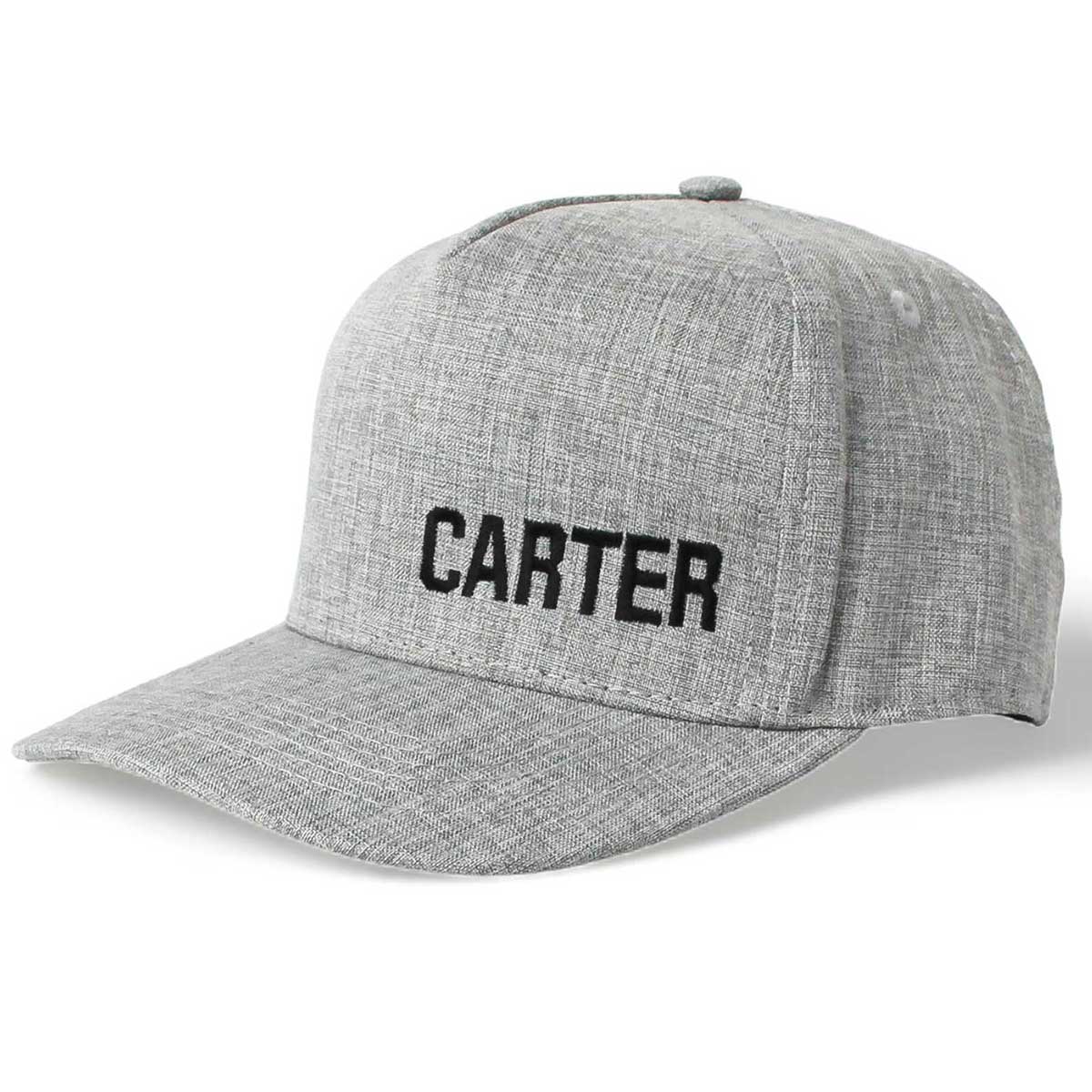




A cap is often the one thing a kid will actually keep on while racing to the playground, riding in the pram or spending a long summer day at the beach. But do caps protect kids' eyes? Yes, they can make a real difference by shading the eyes and face from direct sunlight, especially when the brim is facing forward. They are not complete eye protection on their own, though.
For little people growing up under the Australian sun, the best approach is a simple mix: a well-fitting hat, quality sunglasses when they will wear them, shade and a bit of smart planning around the strongest sun. The good news is that sun-safe can still look seriously cool.
Do caps protect kids' eyes from UV?
A cap helps protect a child’s eyes because its brim blocks some direct rays from travelling straight into their eyes. It also shades the forehead, upper face and eyelids, which is handy when kids are looking ahead at the park, the footy field or the path on a family walk.
That said, sunlight does not only come from directly overhead. UV can reach little eyes from the side, reflect off water, pale sand, concrete and even a bright backyard deck, or sneak under a short brim when the sun is low. A cap reduces exposure, but it cannot create a sealed, all-around barrier.
Think of a cap as a practical first layer. It is brilliant for everyday movement because it stays out of the way, helps kids see more comfortably in bright conditions and is far easier to keep on than sunglasses for some ages. For stronger protection, pair it with sunglasses and shade where you can.
The brim shape matters more than you might think
Not all hats shade the face in the same way. A baseball cap or snapback with a curved, forward-facing brim is particularly useful for cutting glare when a child is looking ahead. It is a great everyday choice for bike rides, kinder drop-off, weekend sport and adventures where they need a clear view.
A wider-brim bucket hat offers more shade around the sides of the face as well as the eyes. This can be a better pick for long stretches outdoors, such as beach days, picnics, camping trips and watching older siblings play sport. It also offers more coverage for ears and the back of the neck, places that a standard cap can leave exposed.
There is a trade-off, of course. Some kids prefer the structure and sporty feel of a cap, while others are happier in a soft bucket hat. The most protective hat is rarely the one that stays in the nappy bag. Choose a shape your child enjoys wearing, then make it part of the leaving-the-house routine.
A good fit keeps the shade where it belongs
A cap that is too loose may spin around, fall off every five minutes or sit so high that it barely shades the eyes. One that is too tight can quickly become an argument before you have even made it to the car. Look for a comfortable, secure fit that sits low enough on the forehead without pressing in.
Adjustable snapbacks are handy as kids grow, while a soft, flexible fit can work beautifully for younger children. For babies in prams, check that the brim is not pushing back against the seat or making them uncomfortable when they rest their head. And never leave a hat with ties or straps on a child while they are sleeping or unsupervised.
Why sunglasses still earn a spot in the bag
Sunglasses protect the eyes more directly than a cap can. Look for children’s sunglasses labelled as providing good UV protection and designed to fit close enough that bright light is not flooding in around the lenses. A wraparound shape can be especially useful near water or on holidays, where reflected light can feel intense.
The lens colour is not the main thing to judge. Dark lenses can feel comfortable, but they do not automatically mean better UV protection. What matters is that the sunglasses are made for sun protection, fit properly and are in good condition. Scratched, loose or badly fitting sunnies are more likely to be rejected by a busy toddler.
For babies and younger kids who will not tolerate sunglasses yet, a hat with a decent brim becomes even more useful. Add the pram canopy, a shady tree or an umbrella when you stop. Avoid covering a pram completely with a blanket, as airflow matters on hot days. Shade should keep them cooler as well as more comfortable.
Build a sun-safe routine that does not feel like hard work
The easiest sun protection is the kind that happens without a negotiation. Keep a cap in the car, one by the front door and another in the daycare bag. Let your child choose between two colours or personalise their own hat with their name or initials, so it feels like their thing rather than another grown-up rule.
Before heading out, cover the basics: hat on, sunscreen on exposed skin, sunglasses if they are keen, and water packed. At the beach or pool, bring an extra hat because wet, sandy hats have a way of disappearing at exactly the wrong time. A coordinated family hat moment is not just cute for photos either. When big people wear theirs, little people are more likely to follow suit.
Timing helps too. If you have flexibility, plan longer outdoor play for earlier in the morning or later in the afternoon, and take shade breaks through the middle of the day. This is not about keeping kids indoors. It is about giving them room to play while making sun protection a normal part of the fun.
When a cap is not enough
A cap should not be the only line of defence during long outdoor sessions, high-glare conditions or peak sunshine. Water play, snow holidays, boating, fishing, beach days and wide-open sporting grounds all bring more reflected light and fewer shady spots. In those moments, use a brimmed hat, proper sunglasses, sunscreen and regular breaks under cover.
It is also worth paying attention if your child regularly squints, complains that bright light hurts their eyes, rubs their eyes outdoors or seems unusually bothered by glare. These signs do not necessarily mean something is wrong, but they are a good reason to mention it to an optometrist or GP.
For everyday Australian family life, a cap is a smart, wearable start. Pick one that fits well, faces forward and suits the way your little person actually plays. The best sun-safe style is the one they are happy to grab on the way out the door, again and again.