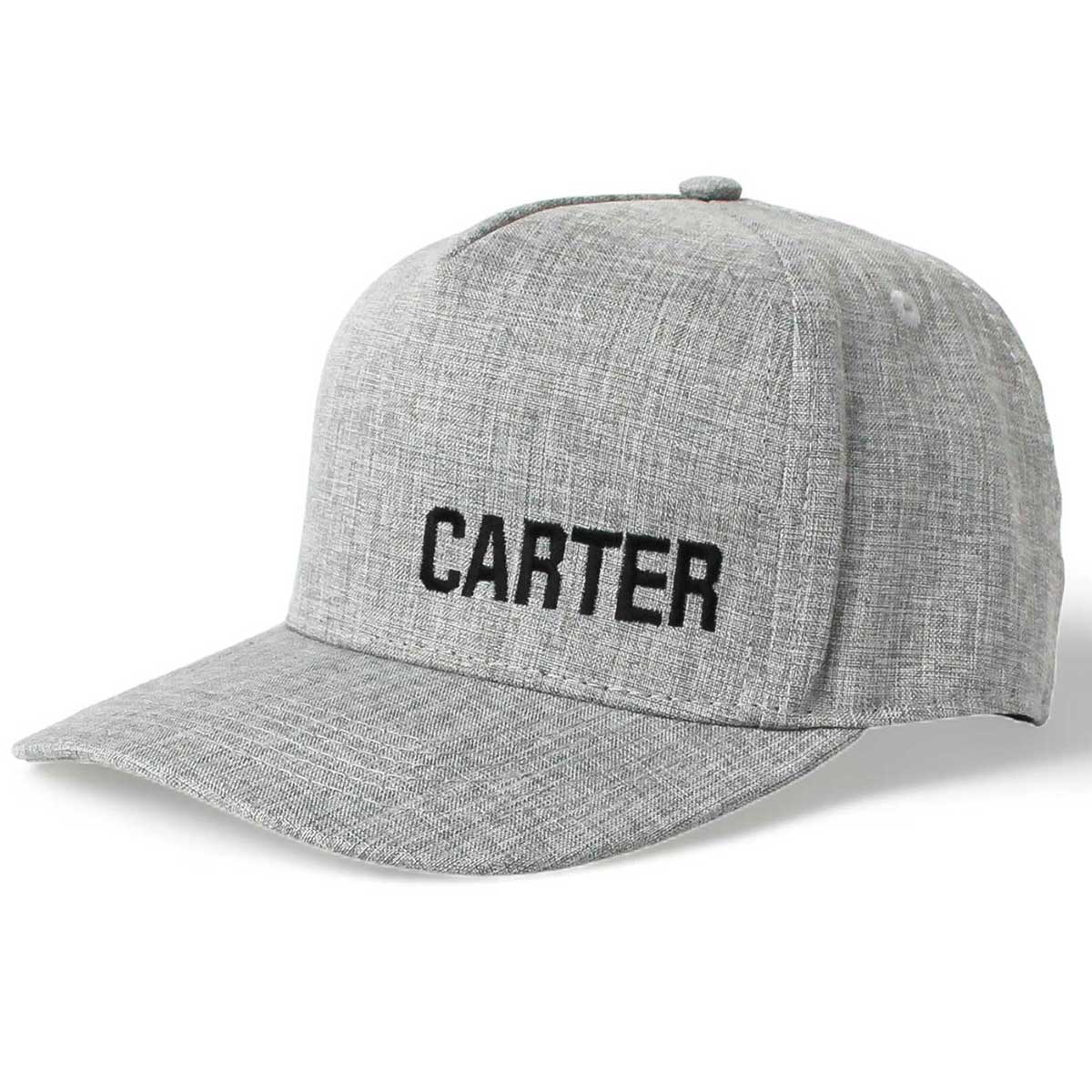
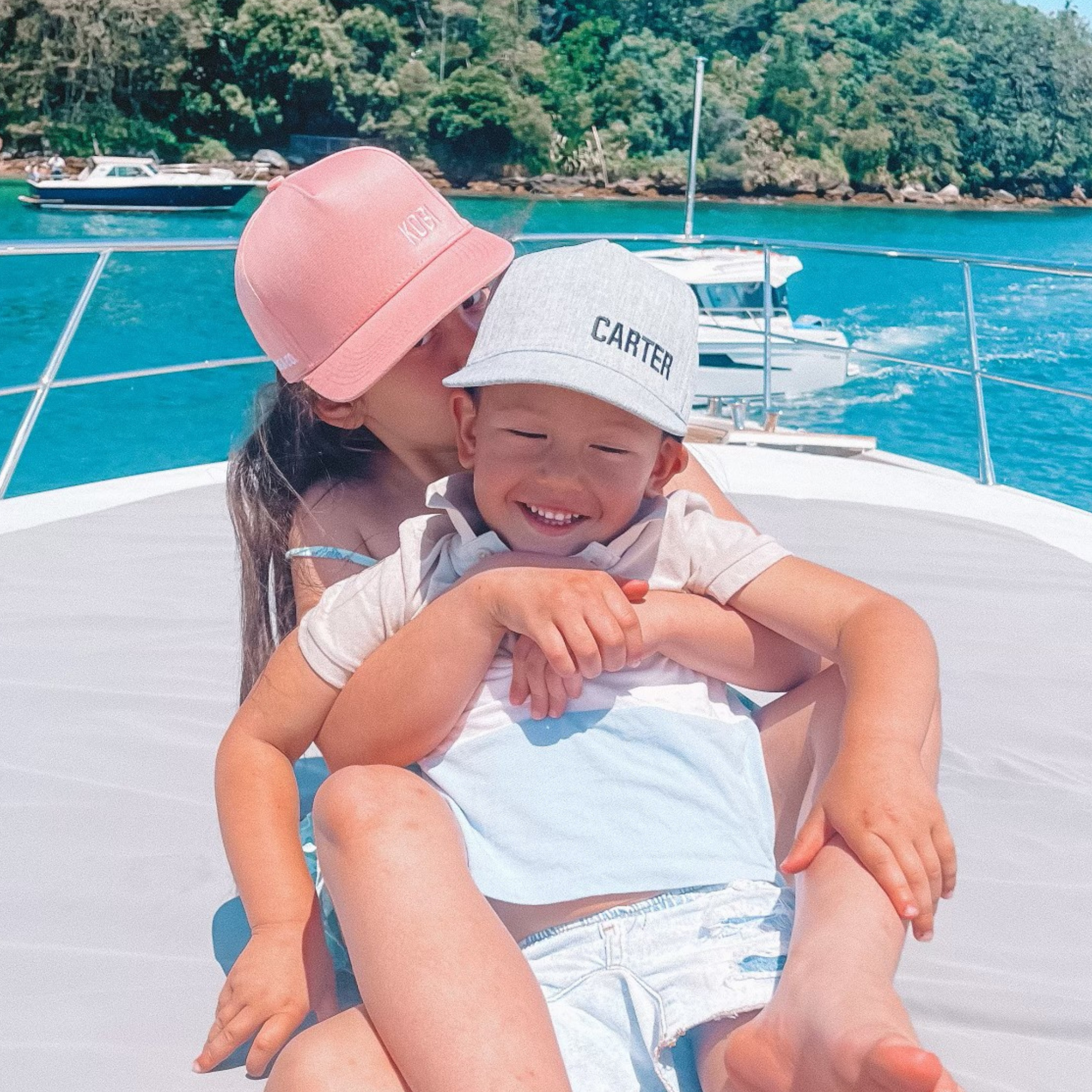
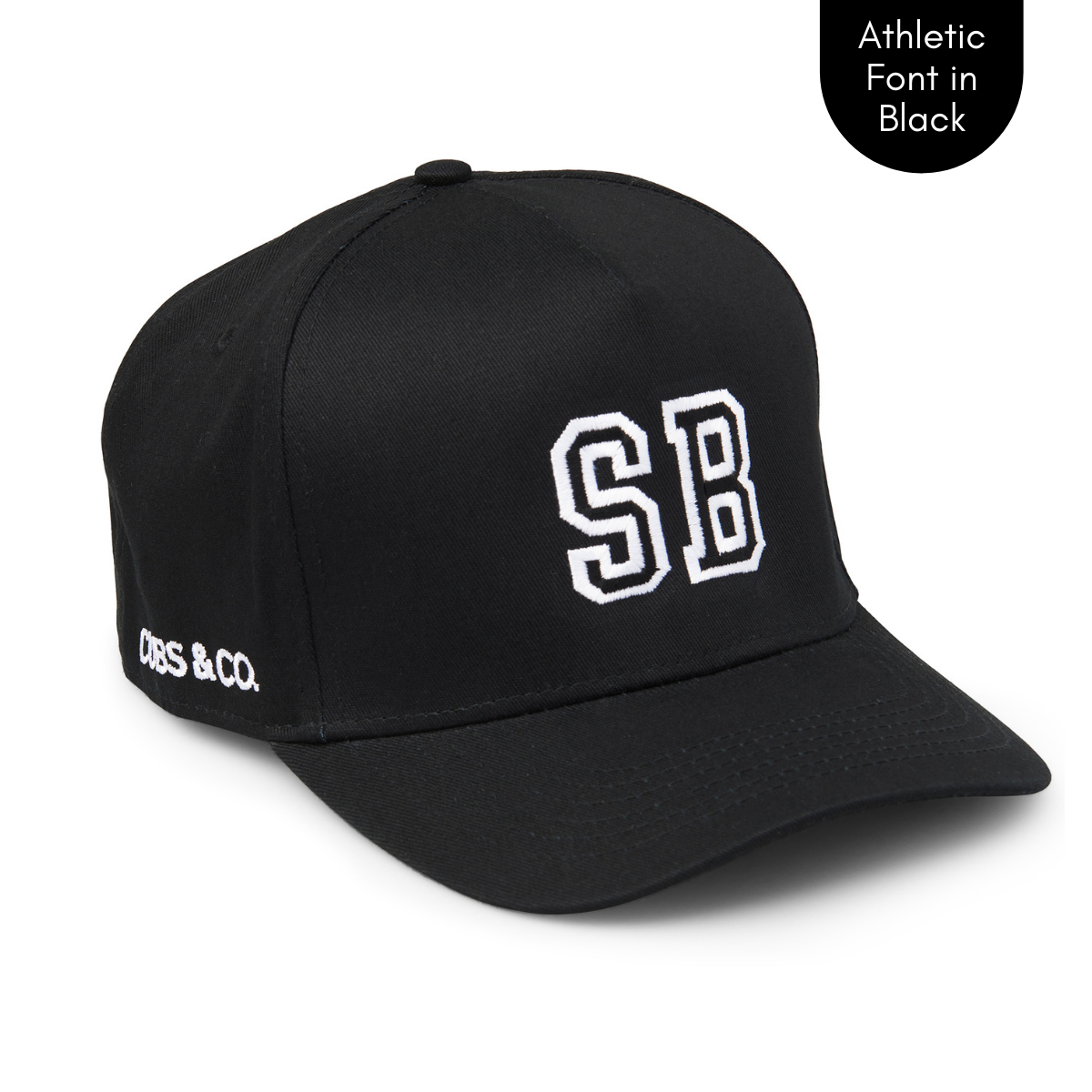



That cap can look seriously cute online, but the right fit is what makes it a daily go-to rather than something tossed in the back of the wardrobe. Knowing how to measure child's head for caps takes less than a minute, and it makes choosing personalised headwear for your little person much easier.
A cap that is too tight can leave red marks and quickly get rejected. One that is too loose may slip over their eyes during a scooter lap, a beach day or the school drop-off rush. The sweet spot is secure, comfy and roomy enough for a whole day of big adventures.
What you need before you measure
The best tool is a soft sewing tape measure. It follows the curve of the head without pulling tight, so you get a number that actually reflects how a cap will sit. If you do not have one at home, use a piece of string, ribbon or even a shoelace, then lay it flat against a ruler.
Try to measure when your child is calm and upright. For babies, this might mean while they are sitting on your lap after a feed. For toddlers, turning it into a quick game works well: tell them you are measuring for their very own cool hat, then let them hold a toy or look in the mirror.
Avoid measuring over bulky hairstyles, thick braids, clips or a hood. You want the measurement of their head, not the extra volume that will not be there every time they wear their cap. If they regularly wear a high ponytail, though, factor that into the cap style you choose.
How to measure a child's head for caps
Place the tape around the widest part of your child's head. This is usually about one centimetre above the eyebrows, sitting above the ears and around the fullest part at the back of the head. Think about where the base of a cap would naturally rest - not across the forehead, and not high on the crown.
Keep the tape level all the way around. It should sit snugly against the head, but never squeeze. A useful check is that you should be able to slide a finger under the tape with a little resistance. Read the measurement in centimetres, as this is the standard used in Australian hat sizing.
Measure twice, especially if you are using string or trying to catch a wriggly little person between snacks. If the two measurements differ, take a third measurement and use the average or choose the slightly larger number. A touch of growing room is usually more comfortable than a cap that is already at its limit.
Write the number down straight away in your mobile. It is surprisingly easy to forget whether it was 51 or 53 cm once you start comparing colours, fonts and matching options for the rest of the family.
The right position matters more than you think
A common mistake is measuring around the middle of the forehead. This can give a smaller result than the circumference a cap needs to cover. Another is placing the tape too far back, where the head narrows. Both can lead to an unnecessarily snug fit.
If your child has a rounder head shape, thick curls or lots of hair, the tape may sit differently from one attempt to the next. That is normal. Focus on the widest natural circumference and lean towards an adjustable design if their result falls between sizes.
Check the cap's size guide, not just the age label
Once you have the head measurement, compare it with the individual product's size guide. Age labels are a handy starting point, but children grow at wildly different rates. One three-year-old may fit a toddler size beautifully, while another needs the next size up long before their birthday.
A measurement in centimetres is far more useful than choosing purely by age. It also helps when buying a gift for a niece, nephew, grandchild or a little mate. Ask their parent for a recent head measurement where possible, rather than guessing from a photo.
Sizing can also vary by silhouette. A structured snapback, a soft baseball cap, a bucket hat and a beanie all sit differently. The key is to read the sizing notes for the specific style you have picked, particularly when shopping for a personalised piece that is made just for them.
When your child is between sizes
If your little one measures at the top end of a size range, consider sizing up - especially for an adjustable cap. A snapback or adjustable strap gives you room to fine-tune the fit now and as they grow. It can be the practical choice for a cap you want them to wear all season, rather than only for a few weekends.
There are exceptions. A loose bucket hat can be annoying in windy weather, while a beanie that is too large may creep down over the eyes. For these styles, a closer match to the measurement is often better. Always consider how and when the hat will be worn: beach holidays, kinder days and winter walks ask different things of a fit.
Test the fit when the cap arrives
The measurement gets you close, but the real test happens on your child. Start with the cap adjusted to roughly their head size, then check that it rests just above the eyebrows and sits comfortably above the ears. It should not leave deep lines after a few minutes.
Ask them to look up, down and side to side. Get them to run around the backyard or do a few enthusiastic dance moves in the lounge room. The cap should stay in place without needing constant readjustment. If it falls forward, tighten the back closure slightly. If they immediately pull it off or complain about pressure, loosen it or reassess the size.
For babies and younger toddlers, keep an eye on fit as they grow. Their head circumference can change quickly in the early years, and a cap that was perfect last summer may feel noticeably snug by the next sunny spell.
Personalised caps deserve a little extra care
When a name or initials are going on the front, getting the size right feels even more worthwhile. Personalised headwear is made to be part of the family rotation - for playground mornings, weekend markets, holidays and all those photos you will keep long after they have outgrown the cap.
Before confirming personalisation, double-check both the spelling and the selected size. Short names, nicknames and initials can all look great, but the piece should first and foremost be one they will happily wear. At Cubs & Co., the appeal is in those considered details: a modern cap that feels personal, works with everyday outfits and can coordinate with the big people too.
Caps are one part of sun-smart days
A well-fitting cap helps shade the face and keeps bright light out of little eyes, but it does not cover every patch of skin. For long days outdoors, pair it with sunscreen, protective clothing and shade breaks where you can. A bucket hat may offer more coverage around the ears and neck, while a cap can be the favourite for active play, sport or a casual family outing.
It depends on the day, the activity and, honestly, the hat your child will actually keep on. The best option is the one that fits comfortably enough to become a habit. Take the measurement, choose a style with the right amount of adjustability, and let them head outside looking cool and ready for whatever the day brings.