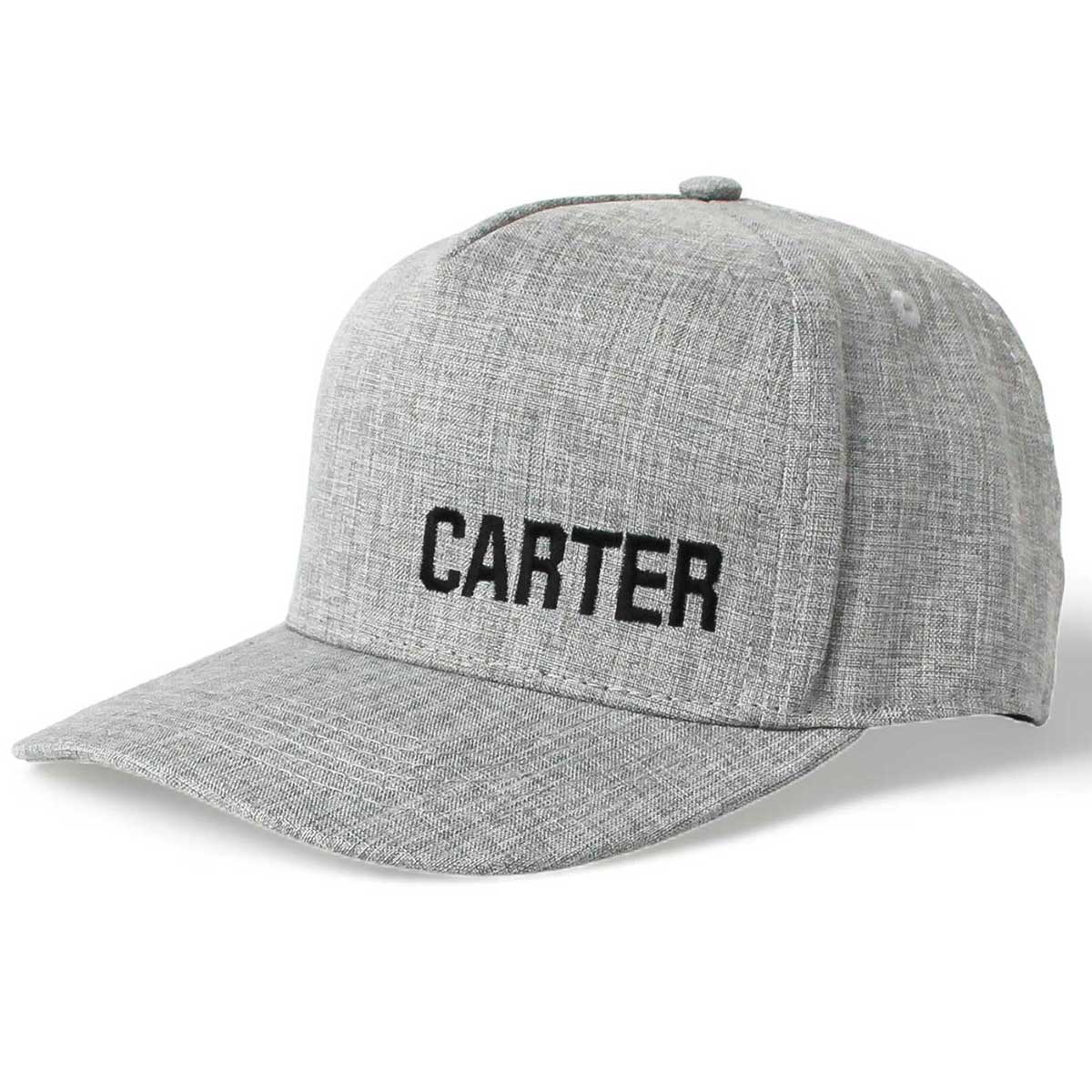

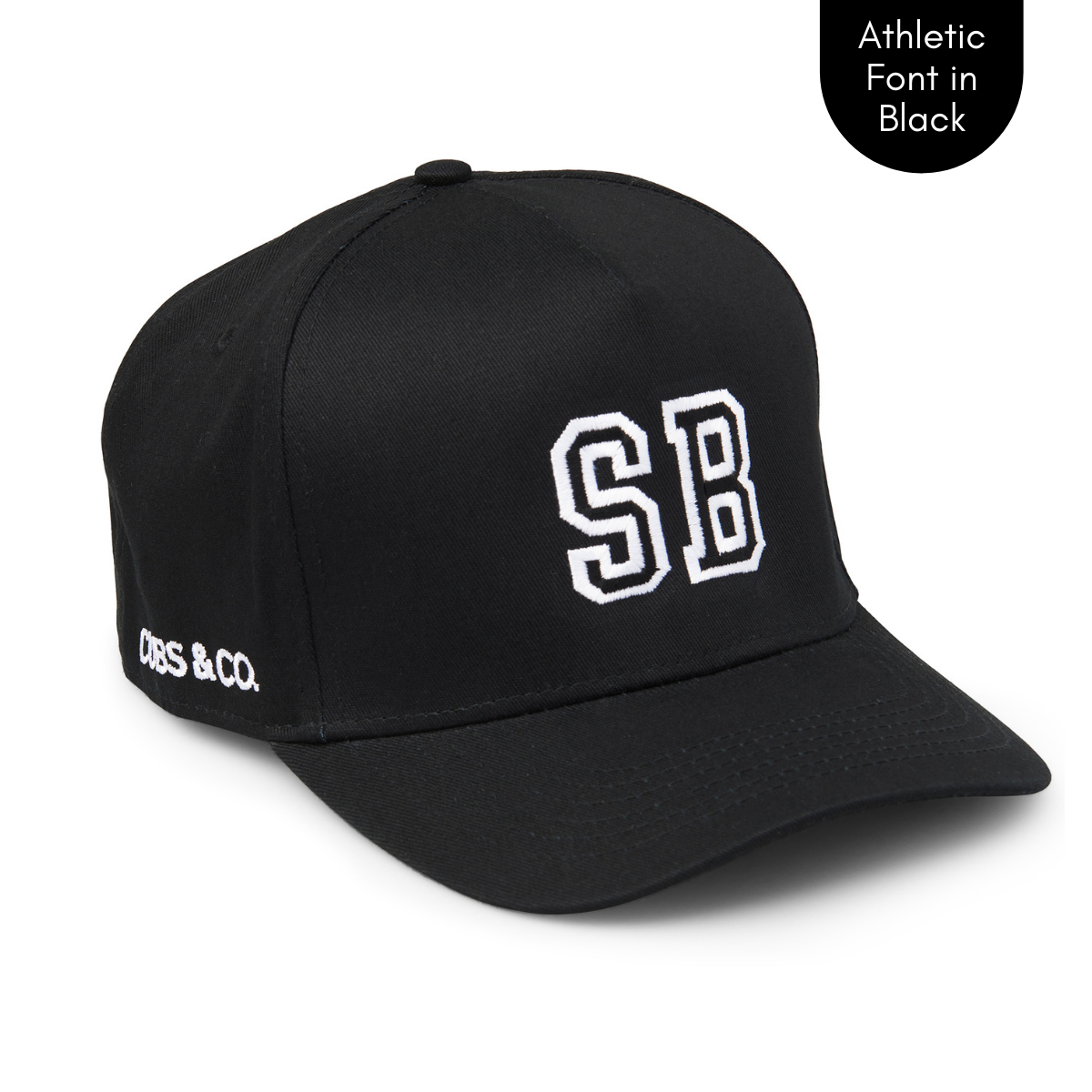



That 8 am walk to kinder can feel mild, then suddenly turn into a full-brightness mission by morning tea. Kids sun visors are made for those moments: an easy layer of shade for little faces that still lets them feel breezy, comfortable and ready to play. Think beach mornings, café catch-ups, sport sidelines, backyard sprinkler sessions and every sunny errand in between.
For big and little people who don’t love the feeling of a full hat, a visor can be the piece they’ll actually keep on. The trick is choosing one that fits well, suits the day ahead and works alongside the rest of your sun-smart routine.
Why kids sun visors earn a spot by the front door
A visor keeps the sun out of the eyes and off the forehead without enclosing the whole head. That open-top design is the main appeal, especially for kids with thick hair, curls, ponytails or a strong opinion about anything that feels too warm. It is light, quick to pop on and less likely to flatten a carefully negotiated hairstyle before the family photo.
They are also handy for active days. A well-fitted visor can feel less bulky than a wide-brim hat when a child is running around the park, riding a scooter or climbing through the playground. For older kids, it has that sporty, grown-up look they may be more willing to wear without a reminder every three minutes.
The trade-off matters, though. A visor shades the face but leaves the top, sides and back of the head exposed. In the Australian sun, that means it should not be treated as a complete substitute for a broad-brim, bucket or legionnaire-style hat when there will be long periods outdoors. For beach days, school sport, bushwalks or midday play, extra coverage is usually the smarter choice.
A visor works brilliantly as one part of the plan: shade, sunscreen, protective clothing, sunglasses where suitable and sensible timing around the strongest sun. For a quick outdoor dash or a morning out with cover nearby, it can be an absolute family-life hero.
Choosing kids sun visors that stay on
The best visor is the one your child barely notices they are wearing. Fit comes first. It needs to sit comfortably around the head without digging in, slipping over the eyes or leaving a deep red mark across the forehead after ten minutes.
Look for an adjustable fit
An adjustable strap, hook-and-loop fastening or flexible back gives you more mileage as your child grows. It also makes a difference when siblings want to borrow each other’s gear, or when a visor needs to fit over a high ponytail. Measure around the head where the visor will sit if a size guide is available, rather than guessing based on age alone. Kids’ head sizes can vary wildly.
If your child is between sizes, a little adjustability is more useful than a tight fit. A visor that is too snug will be rejected fast. One that is too loose will end up somewhere under the trampoline.
Choose a brim with real shade in mind
Not all brims do the same job. A tiny fashion brim may look sweet in photos, but it will not offer much practical shade when the sun is low or bright. A curved, structured brim that reaches comfortably over the face helps reduce glare while keeping vision clear.
Try the simple real-life test: can your child look down at their snack, see where they are walking and look up without the brim blocking their view? The right shape should shade their face without becoming a distraction.
Prioritise comfortable materials
Warm weather calls for breathable, lightweight fabrics that feel soft against the forehead. A smooth inner band can make a noticeable difference for little ones who are sensitive to scratchy seams. Easy-care materials are practical too, because kids’ accessories meet sunscreen, sand, ice cream, creek water and the occasional mystery stain.
Darker shades can be great for disguising everyday marks, while softer neutral colours coordinate easily with the rest of the wardrobe. There is no need to save a good visor for special occasions. The more it works with their everyday outfits, the more likely it is to leave the house.
When a visor is the right choice
Kids’ sun visors shine when comfort and low-bulk coverage are the priority. They are particularly useful for a morning market wander, holiday breakfast by the pool, a pram walk, a school-run stop at the playground or an afternoon at the local oval when the sun is in their eyes.
They also suit kids who wear their hair up most days. A ponytail can sit naturally through an open back, rather than being squashed beneath a fitted cap. For children who find hats itchy or restrictive, introducing a visor can be an easy way to build the habit of reaching for sun protection before heading outside.
For longer, hotter days, match the visor to the activity rather than asking it to do every job. A bucket hat may be better for exploring the zoo. A broad-brim option makes more sense at the beach. A visor can then come out for the café stop, the pool deck or the trip home when everyone wants to cool down but still needs their eyes shaded.
Make sun safety easier to say yes to
The fastest way to turn any accessory into a daily battle is to make it feel like a chore. Giving kids a little say can help. Let them choose between two colours, add a personal detail they love or pick a matching style with a sibling, parent or grandparent. When it feels like theirs, it is much less likely to be left in the back seat of the car.
Personalised headwear is especially lovely for busy family outings, childcare and holidays. A name or initials can help a visor find its way back from the lost-property tub, while coordinated designs make group photos feel considered without looking overly matchy-matchy. At Cubs & Co., the idea is simple: practical pieces for the big and little people in your life that still look cool on the move.
Keep the routine easy at home, too. Store visors beside shoes or hang them near the door. Pop one in the nappy bag, beach bag or glovebox, and keep a spare for those inevitable moments when one gets soaked, sandy or misplaced. Familiarity helps children accept sun protection as part of getting ready, just like putting on shoes.
Care tips for visors that see real life
A little care helps a favourite visor hold its shape through a busy season. Check the care label first, especially before tossing it into the washing machine. Spot-cleaning sunscreen marks with a mild detergent and cool water is often enough for small messes. Avoid harsh bleach, which can affect colour and fabric over time.
After a beach day, shake out sand and let the visor air dry away from direct heat. If it gets wet in the rain or pool splash zone, reshape the brim gently while it dries. Storing it flat or hanging it up helps prevent a bent brim that never quite sits right again.
It is worth checking the fit every few months, particularly for fast-growing little ones. An adjustment that worked at the start of summer may not feel as good by the school holidays. If the visor starts sliding, pinching or leaving marks, it is time to reset the strap or size up.
The best kids’ accessory is never just the one that looks good in the photo. It is the one that gets grabbed on the way out, worn without fuss and gives families one more easy reason to enjoy a bright Aussie day outside.